Understanding gambling addiction A comprehensive guide to recovery strategies
What is Gambling Addiction?
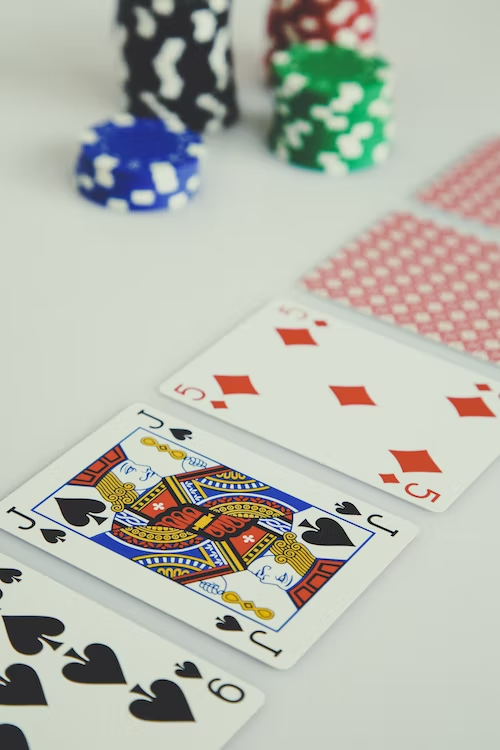
Gambling addiction, often referred to as compulsive gambling, is a behavioral disorder where individuals feel an uncontrollable urge to gamble despite facing negative consequences. This addiction can manifest in various forms, including online gambling and traditional casino play. The thrill of the game can create a cycle of excitement and despair, leading individuals to chase losses and engage in risky behavior. Many people look for alternatives such as poker for real money to satisfy their urges, often exacerbating the situation.

Recognizing gambling addiction is crucial for recovery. Symptoms may include preoccupation with gambling, increasing amounts of money bet, and neglecting responsibilities. Understanding these signs can help individuals and their loved ones identify the problem early on and seek appropriate help.
The Impact of Gambling Addiction
The effects of gambling addiction extend beyond financial loss; they can impact personal relationships, employment, and mental health. Many individuals suffering from this addiction experience stress, anxiety, and depression, which can be exacerbated by the isolation that often accompanies excessive gambling.
Additionally, the financial ramifications can be severe, leading to bankruptcy and the loss of savings. This not only affects the gambler but can also have lasting effects on family members and friends, creating a ripple effect of distress and uncertainty.
Recovery Strategies for Gambling Addiction
Effective recovery from gambling addiction often involves a combination of therapy, support groups, and lifestyle changes. Cognitive-behavioral therapy (CBT) is one of the most effective forms of treatment, helping individuals address the thought patterns that contribute to their gambling behaviors. Through CBT, individuals learn coping mechanisms and strategies to manage their impulses.
Support groups, such as Gamblers Anonymous, provide a community of understanding individuals who share similar experiences. These groups offer a safe space for sharing challenges and successes, reinforcing the idea that recovery is a journey best taken with others. In addition, developing healthier hobbies and interests can help fill the void left by gambling.
Online vs. Offline Gambling: Different Challenges
The rise of online gambling has introduced new challenges in the realm of addiction. The convenience of betting from home makes it easier for individuals to engage in gambling behavior without the social stigma often associated with visiting a casino. This anonymity can lead to increased frequency and higher stakes, contributing to a quicker spiral into addiction.
Conversely, offline gambling presents its own issues, such as the environment of physical casinos that can trigger addictive tendencies. Both forms require tailored approaches to recovery, as individuals may need to navigate different triggers and temptations. Understanding these nuances is vital for effective treatment.
Resources and Support for Recovery
Many resources are available for individuals seeking recovery from gambling addiction. Professional counseling services, helplines, and online forums can provide vital information and support. Education about gambling addiction is essential for both the individual and their loved ones, as it fosters understanding and empathy.
This website serves as a valuable resource for those affected by gambling addiction. Offering information on treatment options, personal stories, and expert advice, it aims to empower individuals on their path to recovery. By fostering a sense of community and providing accessible resources, we can help combat the stigma associated with this often-misunderstood addiction.